
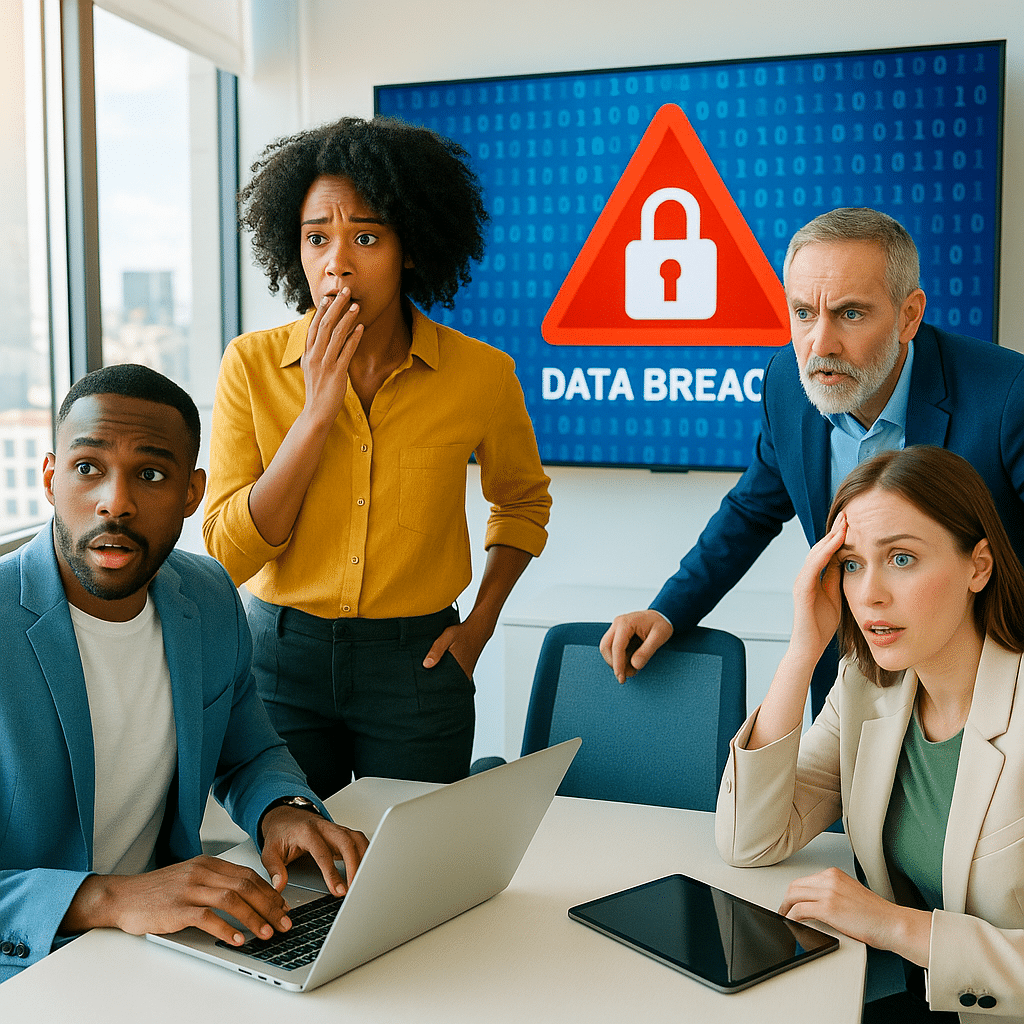
Opening: Loblaw’s “Low‑Level” Data Breach Raises Eyebrows
In early March 2026, Loblaw Companies Limited—the retail giant behind Loblaws and Shoppers Drug Mart—alerted customers to a “low‑level” data breach. The incident, confined to a non‑critical segment of its IT network, exposed basic customer contact information such as names, phone numbers, and email addresses. Thankfully, passwords, credit card details, health data, and PC Financial systems were not affected. As part of its response, Loblaw secured the affected systems and forced all users to log back into their accounts. This breach, while modest in scope, has sent ripples through small‑ and medium‑sized businesses (SMBs) across BC, Alberta, and Ontario.
Why SMBs Should Care
Now, you might be thinking, “That’s a big retailer—what’s it got to do with my corner café or boutique in Kelowna or Calgary?” Plenty. First, the stolen contact info is a goldmine for phishing and smishing attacks—criminals can impersonate trusted brands to trick your customers or even your staff.
Second, if Loblaw’s systems can be breached, it’s a reminder that attackers don’t discriminate. SMBs often lack the robust cybersecurity posture of large retailers, making them easier targets. A breach could mean downtime, reputational damage, and recovery costs that hit your bottom line hard.
Cost and Budget Implications
Let’s talk dollars. Even a “minor” breach can cost tens of thousands in incident response, legal advice, customer notifications, and potential regulatory fines—especially under Canadian privacy laws. If you’re an SMB in Ontario or BC, you may also face scrutiny from provincial privacy commissioners or even the federal Office of the Privacy Commissioner.
On the flip side, investing in managed IT services—cybersecurity services, business continuity planning, and data recovery—can be a cost‑effective hedge. Think of it as insurance: a small monthly fee now could save you from a catastrophic one‑time hit later.
Practical Takeaways for Business and IT Leaders
1. **Segment and protect your data.** Keep customer contact info separate from financial or health data. Loblaw’s containment of the breach to a non‑critical network segment likely limited the fallout.
2. **Enforce multi‑factor authentication (MFA).** Even if passwords weren’t compromised in Loblaw’s case, MFA adds a vital extra layer of defense.
3. **Plan for forced logouts and recovery.** Loblaw’s forced logout was a smart move—but if you don’t have a process in place, it could confuse customers or disrupt operations.
4. **Train your team and customers.** Educate staff and clients to recognize phishing attempts, especially those that mimic trusted brands like Loblaw.
5. **Partner with a managed services provider.** A good MSP offers IT support for business, managed IT services, cloud services, and cybersecurity services tailored to Canadian businesses. They can help with business continuity planning, data recovery, and keeping your systems patched and monitored.
Final Word from Stan at EC
Look, I get it—cybersecurity can feel like a dry topic, especially when you’re busy running your business. But if Loblaw’s breach teaches us anything, it’s that even “low‑level” incidents can have outsized consequences. A little investment in managed IT, cybersecurity services, and smart planning goes a long way toward keeping your business safe, your customers happy, and your budget intact in 2026.